
BODYLUXE JOURNAL
What to Eat After Liposuction and Body Contouring
Originally published 2022-10-03
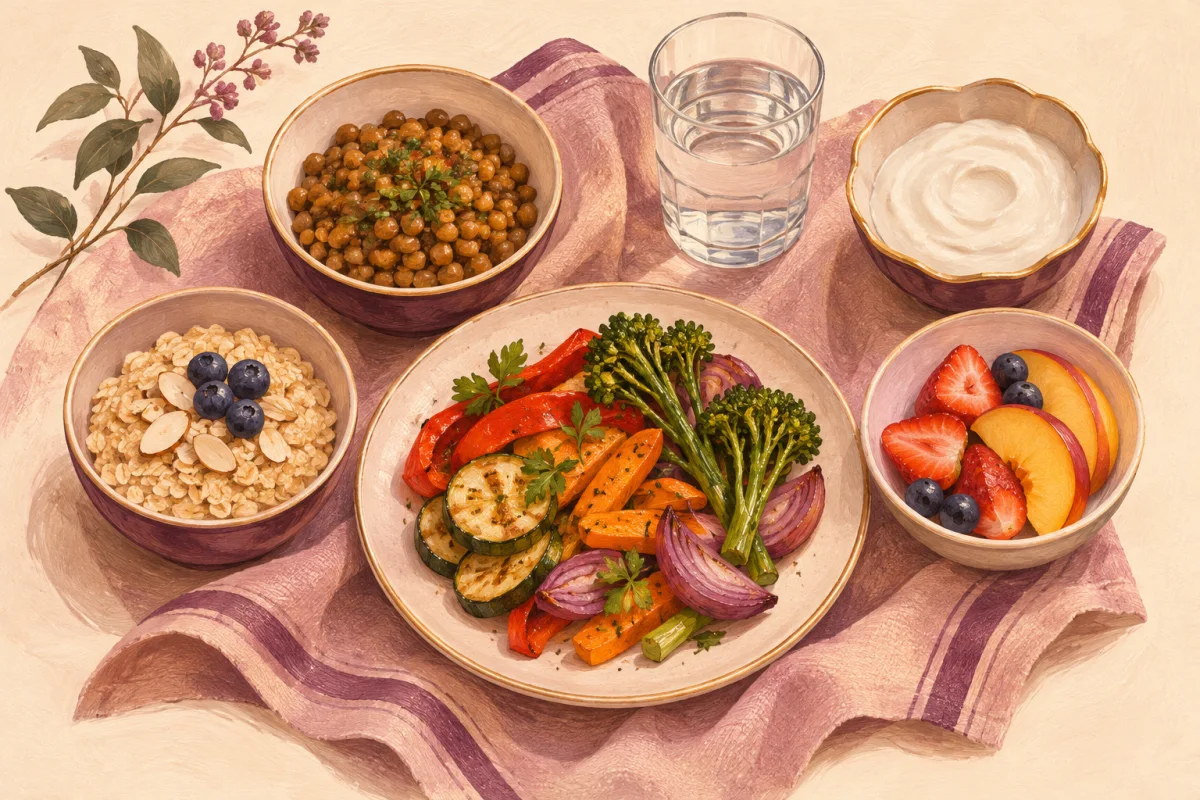
Original illustration: familiar foods and drinks for meal planning.
After liposuction, aim for regular meals that supply energy, protein and a variety of foods, with fluids appropriate to your medical needs. You do not need a detox, a juice-only diet or a special “healing” ingredient. Follow your discharge instructions about when to resume eating, especially after sedation or if nausea is a problem.
Food supports normal tissue repair; it cannot guarantee faster healing or prevent a complication. This guidance is for planning ordinary meals around awake liposuction at BodyLuxe. Diabetes, kidney or heart disease, previous bariatric surgery, significant weight loss and other conditions may require a more specific nutrition plan.
Some pain medicines and reduced movement can contribute to constipation. Include fiber-containing foods and fluids as tolerated, and follow any bowel-care plan you were given. Eggs, yogurt and other protein foods do not need to be banned simply because they contain little fiber. Combine them with other foods rather than eliminating useful nutrition.
Smaller meals and familiar foods may be easier when appetite is low. Temporarily avoid a food if it worsens your nausea or reflux; spicy food is not automatically prohibited for everyone. Contact your team if vomiting continues or you cannot keep liquids or prescribed medicines down.
Do not mix alcohol with opioids, sedatives or other medicines whose instructions prohibit it. Follow the team’s individual alcohol guidance rather than choosing a restart date from a blog. Tell them about regular or heavy alcohol use before surgery so that any change can be planned safely.
A recovery diet does not have to be perfect or made entirely from fresh ingredients. Frozen vegetables, canned beans, yogurt and practical prepared meals can help. Avoid letting sweets or snack foods replace most meals, but do not turn “processed” into a blanket ban that makes it harder to eat enough.
Resume food and drink according to your discharge instructions. A special liquid-only diet used after some abdominal operations is not automatically required after liposuction. If you start with small drinks or light food because of nausea, progress as your team advises and your stomach tolerates.
Water and other suitable drinks can support hydration. Clear broth, gelatin and juice alone do not supply a balanced diet or enough protein for prolonged recovery. If you cannot move beyond a very limited intake, tell the team rather than remaining on clear liquids for days without guidance.
Examples of practical drinks or light foods include:
When chewing, nausea or fatigue makes a full meal difficult, consider simple combinations such as:
There is no universal fluid target for this page. A person with a fluid restriction needs different advice from someone without one. Persistent dizziness, very little urine, repeated vomiting or inability to drink needs clinical advice rather than simply forcing more water.
Carbohydrate foods help supply energy so that meals do not consist only of protein. Whole grains can also contribute fiber. Build back toward your normal varied diet as tolerated; recovery is not the time to start an aggressive calorie restriction.
White rice, plain pasta or toast may be easier at first for some people, and they do not need to be excluded. Choose whole-grain versions when they suit your appetite and digestion. Increase fiber gradually if it causes bloating.
Useful grain choices include:
No single grain or vitamin determines healing. Do not start a high-dose folic acid or other vitamin product solely because you are eating more whole grains. Suspected deficiencies should be assessed and corrected individually.
A variety of fruit and vegetables contributes fiber and micronutrients. Fresh, frozen and canned options can all be practical. Wash and prepare them safely, and choose cooked or softer forms if those are easier to eat.
If fresh fruits are not available, canned and frozen fruits are also good. However, please be mindful of added contents, particularly sugar.
Choose a mix rather than one “superfood”:
Vitamin C and other nutrients have normal roles in tissue repair, but more is not automatically better. A varied diet is not evidence that a particular fruit will reduce bruising, erase scars or speed recovery.
Protein supplies building blocks for tissue maintenance and repair. Include a protein source in meals and suitable snacks rather than relying on broth or fruit alone. The amount you need depends on your health, nutritional status and procedure; a universal grams-per-day prescription would not fit everyone.
Options can match your preferences and tolerances:
Dietary fat supplies energy and helps absorb fat-soluble vitamins. Olive oil, avocado, nuts and seeds can fit a varied diet. Eating extra fat does not “feed” transferred fat cells in a way that guarantees graft survival, and a very restrictive low-fat menu is not automatically needed after liposuction.
Examples include:
Stock foods you already like and arrange help with shopping or preparation when lifting and activity are restricted. Simple meals are often more useful than buying several supplements or following an elaborate anti-inflammatory diet.
A few combinations to prepare or portion ahead:
Dairy can provide protein and calcium when you tolerate it. Lactose intolerance, allergy and individual digestive symptoms are reasons to choose alternatives, not reasons for every postoperative patient to avoid it.
Examples of dairy and nondairy choices include:
A plant drink is not automatically equivalent to milk in protein or calcium. Check the actual product rather than assuming all alternatives are nutritionally interchangeable.
Iron-containing foods can fit a balanced diet. However, surgery does not automatically mean you need an iron supplement. Tell your team about prior anemia, heavy menstrual bleeding, restrictive eating or recent weight loss so that any testing or treatment can be individualized.
Do not use a supplement stack to compensate for poor intake without discussing the problem. Protein drinks can be convenient when food is difficult, but vitamins, herbal extracts and “recovery” products are not proven necessities for every cosmetic patient. Give the team the exact labels of products you use, including mushroom products, and do not change prescribed medicines yourself.
As always, please follow the specific instructions from your medical team and consult them with any questions you may have.
The goal is a workable recovery routine: enough food, a variety of protein and other nutrients, suitable fluids and help when intake is not going well. Existing patients should use their postoperative care contact for symptoms rather than a new consultation request.