
BODYLUXE JOURNAL
How to Wash and Care for Your Faja After Liposuction
Originally published April 27, 2026
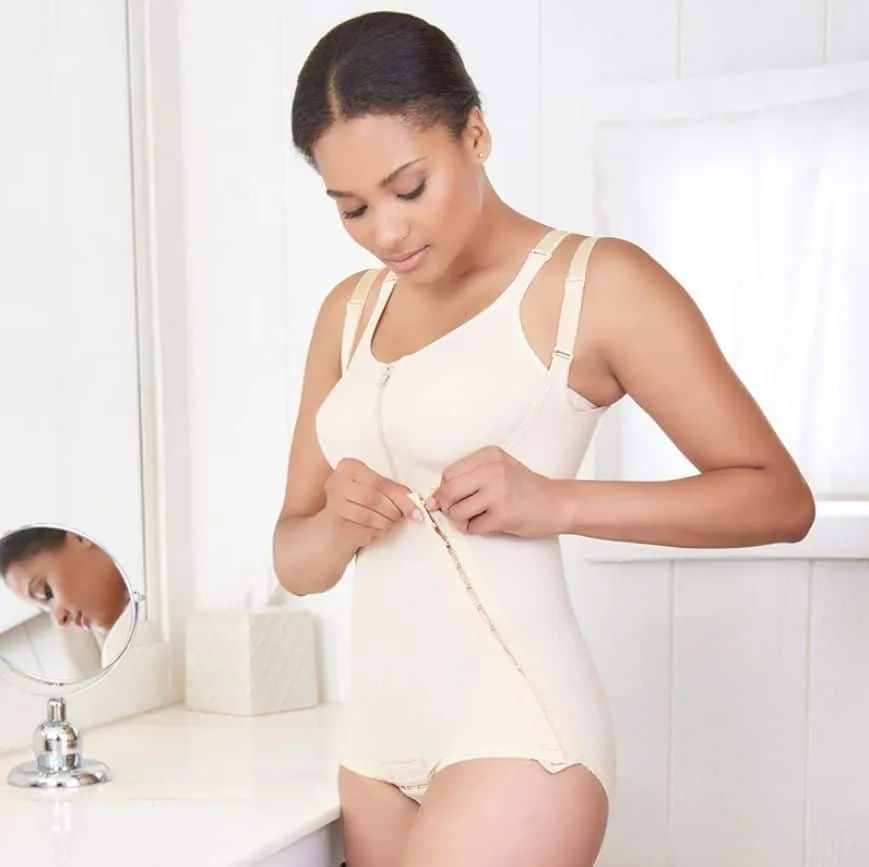
Follow the care label on your own faja for washing and drying, and your surgical team’s instructions for when to remove or wear it. The goal is a clean, completely dry garment that still fits as intended. Different fabrics and closures have different care requirements, so a universal wash temperature or dryer rule is not reliable.
Garment care and your recovery plan have different jobs
A compression garment may be included in your plan after awake liposuction at BodyLuxe to provide support or help manage swelling. Cleaning preserves hygiene and fabric condition; it does not guarantee skin tightening, prevent every complication or determine your final contour. Keep the prescribed wear schedule separate from the garment’s laundry instructions.
A practical washing and drying routine
Read the label before the first wash. Identify the brand, model, fabric and instructions for the garment, removable pads and any inserts. Photograph the label so it remains available if it fades. If the label is missing or conflicts with instructions you received, ask the team or manufacturer to clarify before experimenting.
Plan the time out of your garment. Ask when removal for washing is permitted. A second correctly fitted garment may make laundry easier, but confirm the appropriate style and size before buying it. Do not substitute a waist trainer or a much tighter garment simply because the prescribed one is wet.
Wash using the labeled method. Close hooks or fasteners as directed, handle the fabric gently and use the permitted detergent and cycle. Some garments can be machine washed; others need different handling. Do not add bleach, fabric softener, disinfectants or stain treatments unless the manufacturer allows them. Rinse away detergent thoroughly.
Dry completely by the permitted method. Some labels require air drying, while others allow a low-heat tumble cycle. Follow your item’s instructions rather than a blanket “never use a dryer” rule. Do not try to speed drying with a radiator, hair dryer or other unapproved heat source, and do not put on a garment that is still damp.
Keep clean and used garments separate. Store the clean, dry garment where it will not pick up dirt or moisture. When using an approved spare, inspect both garments rather than assuming that matching size labels mean they fit identically. Contact the team about ongoing drainage or a repeatedly soiled garment instead of relying on extra washing alone.
Inspect the fabric, closures and your skin
Protect the fabric when dressing. Ease the garment into place without yanking on a seam or fastening it against excessive tension. Keep sharp nails and jewelry away from the fabric. Check for holes, unraveling seams, bent hooks, damaged zippers, thinning areas and elastic that no longer recovers after stretching.
Keep skin care consistent with your wound instructions. Do not put lotion, powder or an antiseptic under the garment by default, especially over incisions. Use only the dressings and products your team has approved. Report a new rash, persistent rubbing, blistering or broken skin so the cause can be addressed.
Pressure should not cause injury. New or increasing pain, persistent numbness, deep pressure marks, blisters, or pale, blue or cold skin need prompt advice from the surgical team. Do not keep tightening a garment to push through those symptoms. Chest pain, sudden breathlessness or fainting requires emergency care, not a garment adjustment or an online message.
Reassess fit rather than automatically sizing down. Swelling changes during recovery. A garment that is loose, rolls into a tight band, digs into one area or has damaged fasteners needs assessment. Do not cut, alter or replace it with a smaller size without guidance. Replacement depends on fit, fabric condition and the plan, not a universal number of weeks.
Who to contact when something is unclear
For washing or drying questions, have the label and model available when you contact the manufacturer. For wear time, pressure, incision concerns or changes in fit, use your surgical team’s postoperative contact instructions. Good garment care supports your day-to-day comfort; it does not replace follow-up or an examination when something feels wrong.