
BODYLUXE JOURNAL
Do Mushrooms Help Recovery After Cosmetic Surgery?
Originally published 2026-05-14
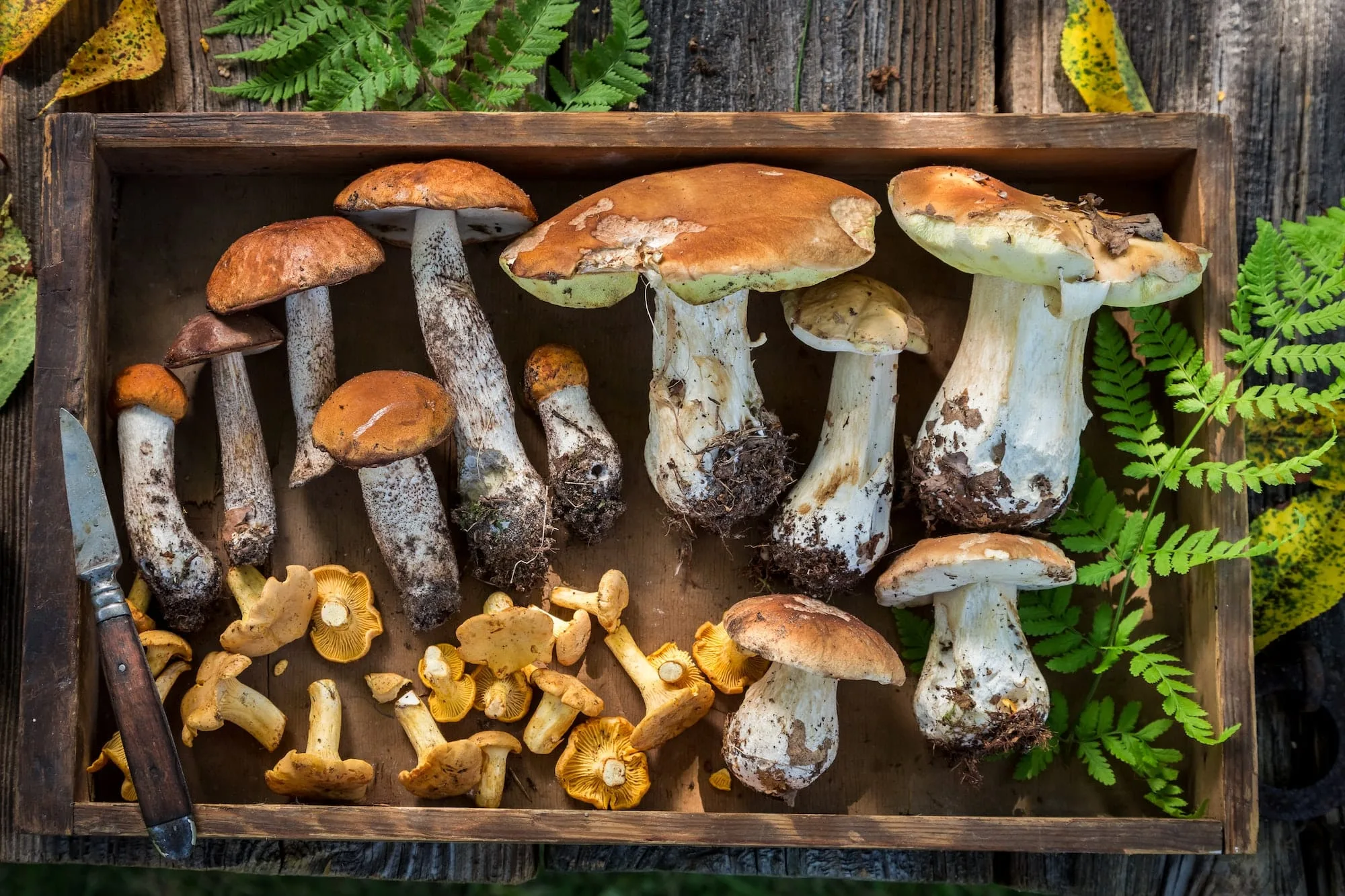
Mushrooms can be part of an enjoyable recovery meal, but eating them has not been shown to speed healing after cosmetic surgery. They are food, not a treatment for postoperative swelling, infection or scars. Concentrated mushroom powders, capsules and extracts are a separate decision, not simply a more effective serving of vegetables.
After surgery, the priority is eating enough overall, including useful protein sources, and following your care plan. No single ingredient can replace those basics. A mushroom soup may be easy to enjoy, for example, but adding beans, tofu, chicken or another suitable protein makes it a more complete meal than mushrooms and broth alone.
Which mushrooms belong in an ordinary meal?
Familiar edible mushrooms from a reliable food supplier can add flavor and variety when you tolerate them. Choose recognizable food products, store and prepare them according to food-safety instructions, and do not experiment with unidentified wild mushrooms during recovery. The following examples are meal choices, not healing prescriptions.
White button mushrooms: These are easy to add to an omelet, rice dish or cooked vegetables. Their nutrient content varies with growing and processing conditions. They do not replace the protein in the rest of the meal, and a normal serving should not be described as an immune or cancer treatment.
Portobello mushrooms: Their texture can make a meal more satisfying, but a portobello cap is not nutritionally interchangeable with a serving of meat, fish, tofu or beans. Pair it with another protein source instead of assuming that a meat-like texture means a comparable amount of protein.
Shiitake mushrooms: These can be used in a cooked soup or stir-fry. A small study in healthy adults examined immune-related laboratory measurements after eating dried shiitake. It did not study postoperative infections, scar quality or recovery after liposuction, so it does not establish a surgical benefit.
Maitake mushrooms: Culinary maitake can add another flavor and texture to meals. Claims about beta-glucans or other isolated compounds do not establish that a serving will reduce surgical swelling or improve graft survival. Choose foods you enjoy and tolerate rather than trying to assemble a medicinal mushroom regimen.
Reishi products: Reishi is commonly sold as extracts, powders or capsules rather than as a typical meal ingredient. Treat these as supplements. The dose, species, extraction method and other ingredients may differ from research preparations, and “natural” does not establish that a product is appropriate around surgery.
What does the research actually show?
Research on mushroom compounds includes laboratory experiments, animal studies and human studies with very different goals. A change in an immune marker is not the same outcome as fewer surgical infections. A topical extract tested on a rat wound is not the same intervention as eating mushrooms or taking a capsule after body contouring.
Immune measurements are not proof of infection prevention. In the shiitake dietary study, 52 healthy adults consumed dried shiitake for four weeks. Researchers measured immune-cell and other laboratory responses. Participants were not recovering from cosmetic surgery, and the study did not establish that mushrooms prevent postoperative infection.
Animal wound studies cannot set your supplement plan. An experiment using a reishi-containing cream on diabetic rats found changes in wound closure. That is not evidence that oral reishi speeds human surgical healing. There is no basis here for a postoperative mushroom dose, a scar-prevention claim or a promised improvement in fat-graft retention.
Swelling needs the right explanation. Postoperative swelling is affected by the procedure and healing, not a food’s “anti-inflammatory” label alone. Do not try to treat new, one-sided, painful or rapidly increasing swelling with mushrooms or supplements. Contact your surgical team for assessment; sudden breathlessness, chest pain or fainting requires emergency care.
Digestive comfort still matters. Some people enjoy mushrooms without difficulty; others notice bloating or stomach upset. You do not need to eat them during recovery. If pain medicine or reduced activity contributes to constipation, use the team’s bowel-care guidance and a varied diet rather than relying on one food.
How to include mushrooms without building a supplement regimen
Use a familiar cooked mushroom dish as one part of a meal. Examples include mushrooms with eggs or tofu and toast, a chicken-and-mushroom soup with rice, or lentils with mushrooms and vegetables. These are flexible meal ideas, not a required postoperative menu. Adjust them for allergies, dietary preferences and any medical restrictions.
Before using an extract or supplement, give the team its exact label, ingredients and dose along with your medication list. Some supplements can affect medicines, bleeding or anesthesia. The interaction depends on the product and the person; do not assume every mushroom causes bleeding, and do not stop a prescribed medicine yourself. A perioperative plan may advise avoiding or postponing a nonessential supplement.
Food first, with a clear recovery plan
Ordinary edible mushrooms can add variety. They are optional, and they are not a proven shortcut to healing. Balanced meals, enough intake, appropriate activity, wound care and follow-up remain more useful priorities than buying a product marketed as “recovery boosting.”
For people planning awake liposuction at BodyLuxe, discuss appetite problems, recent unintended weight loss, restrictive diets and supplement use before the procedure. Those details can identify a need for individualized nutrition support without inventing a special mushroom protocol.
If you are already recovering and cannot keep fluids down, are eating very little, or develop worsening symptoms, use your surgical team’s care contact. An article or a new consultation request is not the route for urgent postoperative advice.