
Lose stubborn fat: 3 Proven Steps for Lasting Success
Why Stubborn Fat Resists Traditional Weight Loss Methods
To lose stubborn fat effectively, you must understand that it requires more than just diet and exercise. It’s about addressing the unique biological factors that make certain fat deposits resistant to change.
Quick Answer: How to Lose Stubborn Fat
- Create a calorie deficit through balanced nutrition with high protein, soluble fiber, and reduced refined carbs
- Combine aerobic exercise and strength training to burn calories and boost metabolism
- Manage lifestyle factors including 7-9 hours of sleep, stress reduction, and hydration
- Measure your progress using waist circumference (under 35″ for women, 40″ for men)
- Consider professional body contouring when diet and exercise plateau
If you’ve been working out and eating right but still have pockets of fat on your belly, thighs, or hips that won’t budge, you’re not alone. This is a common frustration.
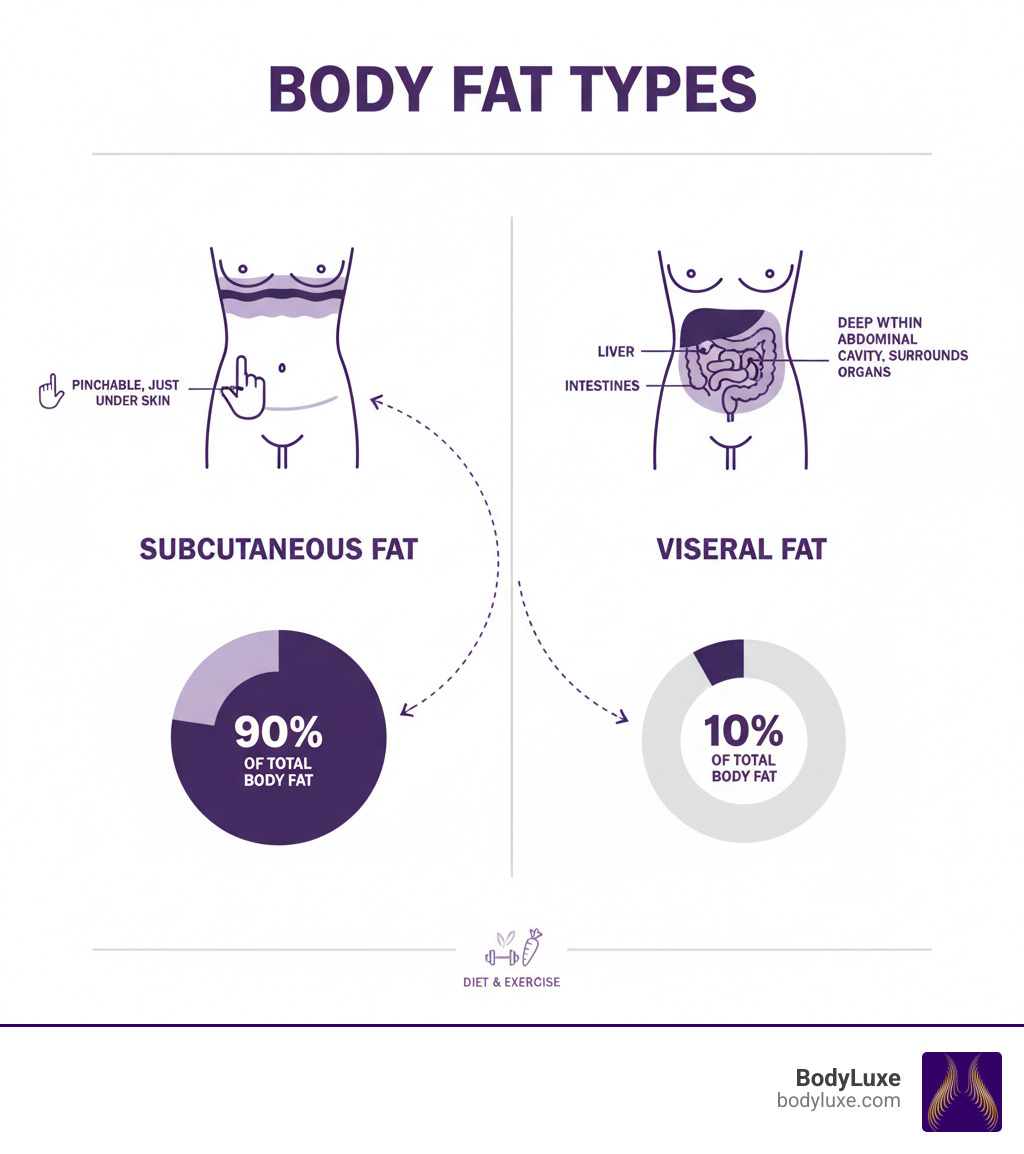
Stubborn fat refers to deposits that are resistant to traditional weight loss methods due to hormones, genetics, and the way certain fat cells respond to your body’s signals. This subcutaneous fat (the pinchable kind just under your skin) makes up about 90% of body fat and is often the last to go.
For most people, stubborn fat accumulates in predictable areas. Women tend to store it in the hips, thighs, and lower belly, while men often see it around the abdomen and lower back. These patterns are influenced by hormones like estrogen and cortisol, as well as your genetic blueprint.
Understanding why this fat is stubborn is the first step toward addressing it. Whether through targeted lifestyle changes or advanced body contouring, lasting results are achievable when you address the root causes.
Understanding Stubborn Fat: More Than Just Skin Deep
When you’re trying to lose stubborn fat, it helps to know what you’re dealing with. Your body stores different types of fat that behave differently, and understanding this is key to developing a strategy that works.
Subcutaneous vs. Visceral Fat: What’s the Difference?
Your body stores fat in two main locations.
Subcutaneous fat is the pinchable layer just under your skin, making up about 90% of total body fat. It cushions muscles and bones and helps regulate body temperature. While this is the fat we typically want to lose for cosmetic reasons, it’s generally less harmful than its deeper counterpart.
Visceral fat makes up the other 10% and is the real troublemaker. It wraps around your abdominal organs like the liver and intestines. You can’t see or pinch it, but this fat is metabolically active, releasing inflammatory substances and hormones that increase your risk for serious health problems.
Why Some Fat Is So “Stubborn”
Fat doesn’t disappear evenly when you lose weight, and there are several reasons why certain areas are the last to slim down.
- Genetics play a huge role in where your body prefers to store fat. Some people are predisposed to carry weight in their midsection, while others store it in their hips and thighs.
- Hormones are another major player. Cortisol, the stress hormone, promotes fat storage around the abdomen. For women, dropping estrogen levels during perimenopause and menopause causes fat to shift from the hips and thighs to the belly.
- Insulin resistance occurs when your cells don’t respond properly to insulin. This causes your body to produce more of it, and high insulin levels signal your body to store fat, particularly around your organs.
- Age-related muscle loss slows your metabolism. Men begin to lose muscle mass around age 40, and women face similar challenges. Since muscle burns more calories than fat, losing it makes it easier to gain weight.
- Fat cells have different receptors. Stubborn fat cells have more alpha receptors, which tell the cell to hold onto fat. Easily lost fat has more beta receptors, which signal fat release. When you try to lose stubborn fat, you’re fighting cells designed to resist.
The Health Risks of Excess Body Fat
While many seek fat loss for cosmetic reasons, the health stakes are high. Visceral fat is metabolically active and releases inflammatory compounds that can raise blood pressure. Excess belly fat has been linked to a sobering list of health conditions, including:
- Heart disease and stroke
- Type 2 diabetes
- High blood pressure
- Certain types of cancer (including breast and colorectal)
- Fatty liver disease
- Dementia (including Alzheimer’s disease)
Reducing excess body fat isn’t just about how you look; it’s about actively improving your long-term health, reducing inflammation, and lowering your risk for serious chronic diseases.
Assessing Your Risk: How to Measure Body Fat at Home
You don’t need expensive equipment to get a good sense of your body fat. A simple tape measure can provide valuable insight into your health risks.
Let’s walk through some practical ways to assess your risk at home.
Waist Circumference
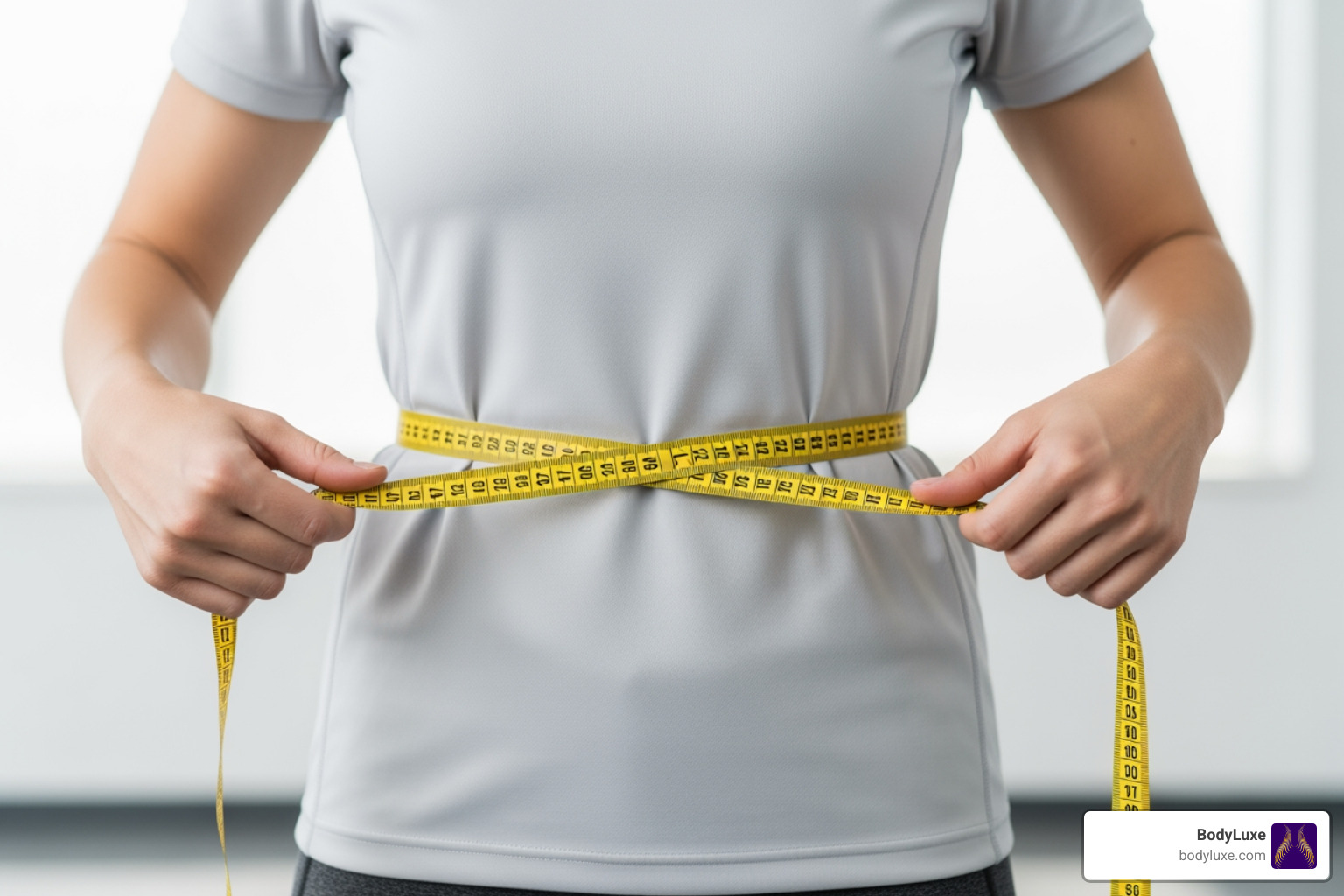
This is one of the most effective ways to gauge your abdominal fat, especially dangerous visceral fat. It’s quick, easy, and requires no calculations.
To measure, stand and relax your stomach. Wrap a flexible tape measure around your bare abdomen at the level of your navel. The tape should be snug but not tight and level all around. Breathe out normally and take the measurement without sucking in.
What do the numbers mean? For women, a waist circumference of 35 inches or more indicates an unhealthy amount of belly fat. For men, that threshold is 40 inches or more. A larger waist measurement corresponds to higher health risks, making it more important to lose stubborn fat for your wellbeing.
Waist-to-Height Ratio
This straightforward metric is gaining popularity. The rule of thumb is simple: your waist circumference should be no more than half your height.
For example, if you’re 5 feet 6 inches tall (66 inches), your waist should ideally measure 33 inches or less. It’s an easy guideline to remember and track over time.
Body Mass Index (BMI)
You’ve probably heard of BMI, which is calculated using your height and weight. A BMI between 25 and 29.9 is considered overweight, while 30 or higher suggests obesity.
However, BMI has serious limitations. It doesn’t distinguish between muscle and fat. A muscular person might have a high BMI but little body fat, while someone with a “normal” BMI could still carry a concerning amount of visceral fat.
For this reason, it’s best to use BMI in combination with waist circumference. Together, these measurements provide a more complete picture of your health and whether you need to focus on strategies to lose stubborn fat.
Lifestyle Strategies to Lose Stubborn Fat Naturally
When it comes to learning how to lose stubborn fat, the most effective strategies are sustainable, healthy lifestyle changes. It requires consistency, but the results—and improved health—are worth the effort.
Fueling Your Body: How to Lose Stubborn Fat with Nutrition
What you eat directly influences how your body stores and burns fat. The foundation of any fat loss plan is a calorie deficit—consuming fewer calories than you burn. A food diary or tracking app can help you stay aware of your intake.
Beyond calories, focus on eating smart:
- Soluble fiber, found in oats, beans, apples, and flaxseeds, helps you feel full longer, which can naturally reduce your appetite and belly fat over time, as studies show.
- Protein is crucial for boosting your metabolism and protecting muscle mass during fat loss. People who eat more high-quality lean protein (chicken, fish, eggs, Greek yogurt, legumes) tend to have less abdominal fat.
- Reducing refined carbohydrates like white bread and sugary snacks can significantly reduce belly fat. Swapping them for whole grains improves metabolic health. Research from Johns Hopkins found that those on a low-carb diet lost 10 pounds more on average than those on a low-fat diet over six months.
- Avoid trans fats completely by checking labels for “partially hydrogenated oils.” They are linked to inflammation, insulin resistance, and increased abdominal fat.
- Limit added sugar, especially in beverages like soda and fruit juice. Excess sugar contributes to heart disease, type 2 diabetes, and stubborn belly fat.
Other strategies like eating probiotic-rich foods (yogurt, kefir), drinking green tea, and trying intermittent fasting may also support your goals.
The Power of Movement: Exercise for Overall Fat Reduction
It’s a myth that you can spot reduce fat from a specific area. Your body decides where it loses fat from first. However, losing fat overall through consistent exercise will shrink your waistline and reduce dangerous visceral fat.
The most effective approach combines aerobic exercise with strength training.
- Cardio (brisk walking, jogging, swimming) is excellent for burning calories. Studies show it effectively reduces belly fat, with more time spent exercising leading to greater fat loss.
- Strength training is vital for building and preserving muscle. Because muscle burns more calories than fat, more muscle means a higher resting metabolism. Research shows resistance training is particularly good for reducing belly fat, especially when combined with cardio.
- High-intensity interval training (HIIT) is a time-efficient option involving short bursts of intense effort followed by recovery. HIIT is highly effective for fat loss and can be adapted to any fitness level.
Consistency is more important than intensity. Regular movement is the key to long-term success.
Beyond Diet and Exercise: How to Lose Stubborn Fat with Healthy Habits
If you neglect other lifestyle factors, you’re fighting an uphill battle to lose stubborn fat.

- Sleep is critical. Inadequate sleep is consistently linked to weight gain and belly fat. Studies show that sleeping less than 5 hours a night significantly increases obesity risk and visceral fat accumulation. Aim for 7 to 9 hours of quality sleep to regulate hunger hormones and support a healthy metabolism.
- Stress management is equally important. Chronic stress keeps cortisol levels high, which increases appetite and drives abdominal fat storage. Finding ways to manage stress—through mindfulness, meditation, yoga, or time in nature—is essential for fat loss.
- Hydration supports optimal metabolic function. Drinking plenty of water can also help you feel full and prevent your brain from mistaking thirst for hunger.
These lifestyle factors work together with your nutrition and exercise efforts to create an environment where your body can finally let go of stubborn fat.
When Diet and Exercise Aren’t Enough: Advanced Solutions
Even with a healthy diet, consistent exercise, and good lifestyle habits, some localized fat deposits can be incredibly resistant to change. This isn’t a personal failure; it’s often due to genetics and the stubborn nature of certain fat cell receptors. These factors can make it nearly impossible to slim down specific areas through traditional methods alone.
When you’ve reached this plateau—when you’re at or near your goal weight but still dealing with areas that won’t budge—it might be time to consider advanced body contouring solutions.
Body contouring isn’t a weight loss solution. Think of it as the final sculpting step after you’ve done the foundational work of achieving a healthy lifestyle. These procedures are designed to refine specific areas that remain resistant to diet and exercise.
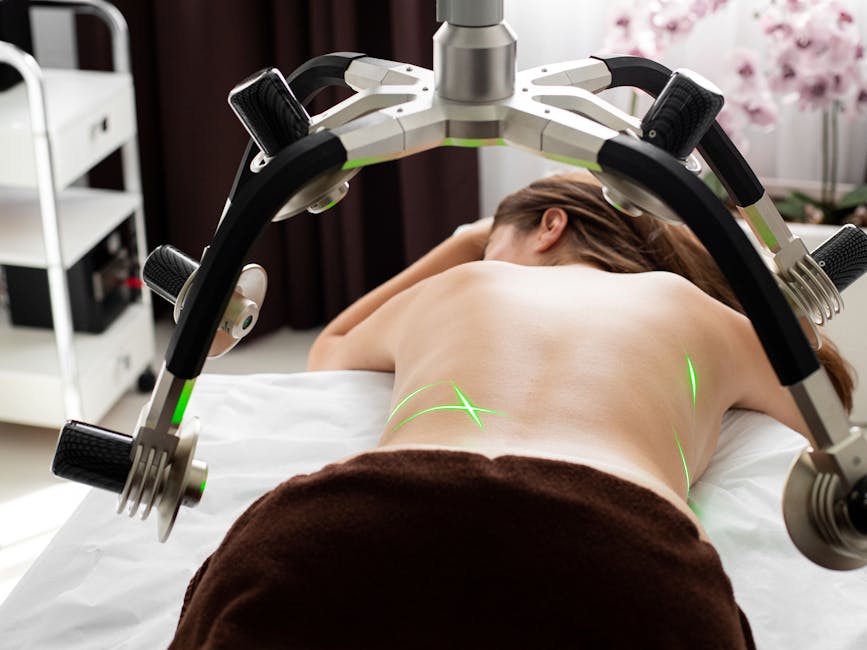
There are several approaches to advanced body sculpting. Some techniques use laser or radiofrequency energy to permanently destroy fat cells in targeted areas. These minimally invasive options can be effective for smaller, specific zones of concern.
For more comprehensive contouring, awake liposuction offers a way to precisely remove stubborn fat while you remain comfortable and conscious. Lipo 360, in particular, takes a holistic approach by addressing the entire midsection—your abdomen, flanks, and back—to create a smoother, more balanced silhouette. This comprehensive method helps achieve that toned appearance many of our patients are seeking.
At BodyLuxe in Chicago, we understand the frustration of stubborn fat. Dr. Farrugia specializes in helping patients achieve their body goals when traditional methods have taken them as far as they can go. We believe in professional consultation to determine the best approach for your unique situation, and we’re committed to providing exceptional patient care with direct surgeon accessibility throughout your journey.
The results from these procedures are lasting because they permanently remove fat cells. When combined with your healthy lifestyle, they can provide that final change you’ve been working toward.
If you’re curious about whether body contouring might be right for you, we’re here to help you explore your options and determine the best path forward to lose stubborn fat and achieve the body confidence you deserve.
Frequently Asked Questions about Losing Stubborn Fat
We hear these questions all the time from our patients in Chicago. Let’s tackle the most common concerns about how to lose stubborn fat.
Can you target fat loss from a specific area like the belly?
No, you cannot spot-reduce fat. The idea that you can target fat loss from one area (like the belly) with specific exercises is a myth. When you lose weight, your body decides where to burn fat from based on genetics and hormones.
While you can’t choose the spot, overall fat loss through a consistent calorie deficit and exercise will eventually reduce fat from stubborn areas. It just happens on your body’s timeline, not yours.
What is the most effective exercise to lose stubborn fat?
There is no single magic exercise. The most effective approach to lose stubborn fat is a combination of different exercise types:
- Aerobic exercise (walking, jogging, cycling) burns calories and helps create an energy deficit.
- Strength training builds muscle, which increases your resting metabolism so you burn more calories 24/7.
- High-intensity interval training (HIIT) is a time-efficient way to burn calories and boost metabolism.
The real secret is consistency. The best exercise is the one you’ll stick with long-term.
How long does it take to see results?
This varies for everyone based on starting weight, metabolism, consistency, and genetics. Patience is key.
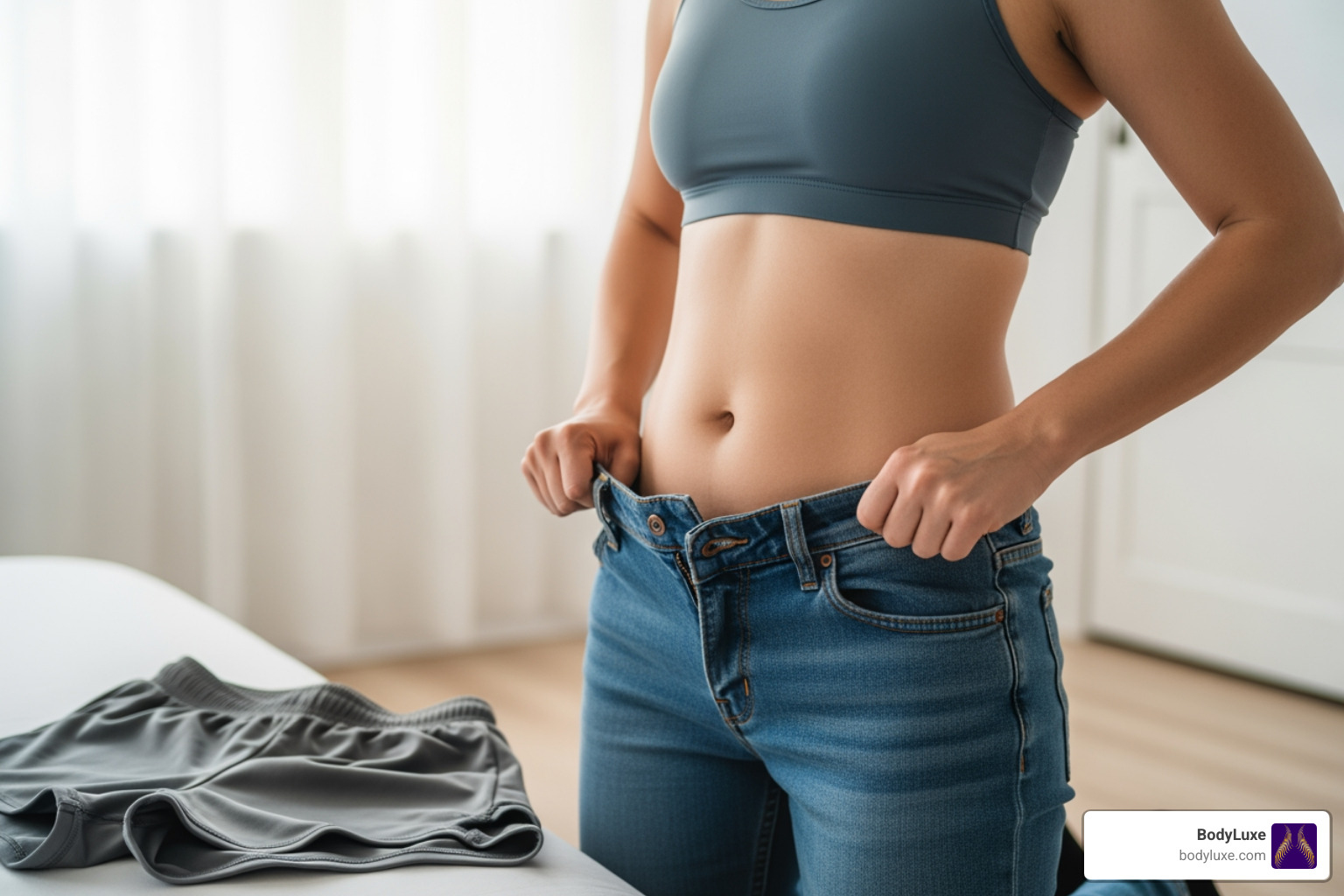
With consistent effort, you might notice your clothes fitting differently within a few weeks. Visible fat loss typically takes a few months to become obvious. For professional body contouring, results appear gradually, with changes starting around three weeks and full effects visible between three and six months.
Set realistic expectations and focus on gradual progress. Sustainable fat loss happens steadily, not overnight. Celebrate the small victories along the way—they add up to remarkable results.
Conclusion: Achieving Your Body Goals for Good
The journey to lose stubborn fat isn’t always straightforward, but it is achievable with knowledge and patience. We’ve explored the science behind resistant fat and the practical strategies in nutrition, exercise, and lifestyle that can make a difference.
Stubborn fat is more than an aesthetic issue; it’s a health concern, especially visceral fat, which is linked to heart disease, diabetes, and stroke. Every positive change—from eating more fiber to strength training and getting enough sleep—improves both your health and your confidence.
A holistic approach is key. When you fuel your body with balanced nutrition, move consistently, manage stress, and get adequate rest, you create an environment where fat loss can happen naturally. These are sustainable habits that improve your quality of life.
However, sometimes, despite doing everything right, certain areas won’t respond due to genetics and hormones. When you’ve put in the work and reached a healthy weight but localized deposits remain, advanced body contouring makes sense—not as a shortcut, but as a complement to your healthy lifestyle.
At BodyLuxe in Chicago, we see patients every day who’ve reached this exact point. They’re living healthy lives but want that final refinement. That’s where Dr. Farrugia and our team come in, offering personalized solutions like awake liposuction and Lipo 360. We’re about partnership, accessibility, and helping you achieve results that make you feel like the best version of yourself.
Your journey is about feeling strong, healthy, and confident in your own skin. It’s about the long-term benefits of improved health and the confidence that comes with taking control of your well-being.
Ready to take the next step? Learn more about Lipo 360 liposuction in Chicago and find how BodyLuxe can help you achieve your body goals for good.