
Surgery without anesthesia: 3 Eras, Agony to Joy!
Why Understanding Surgery’s Past Matters Today
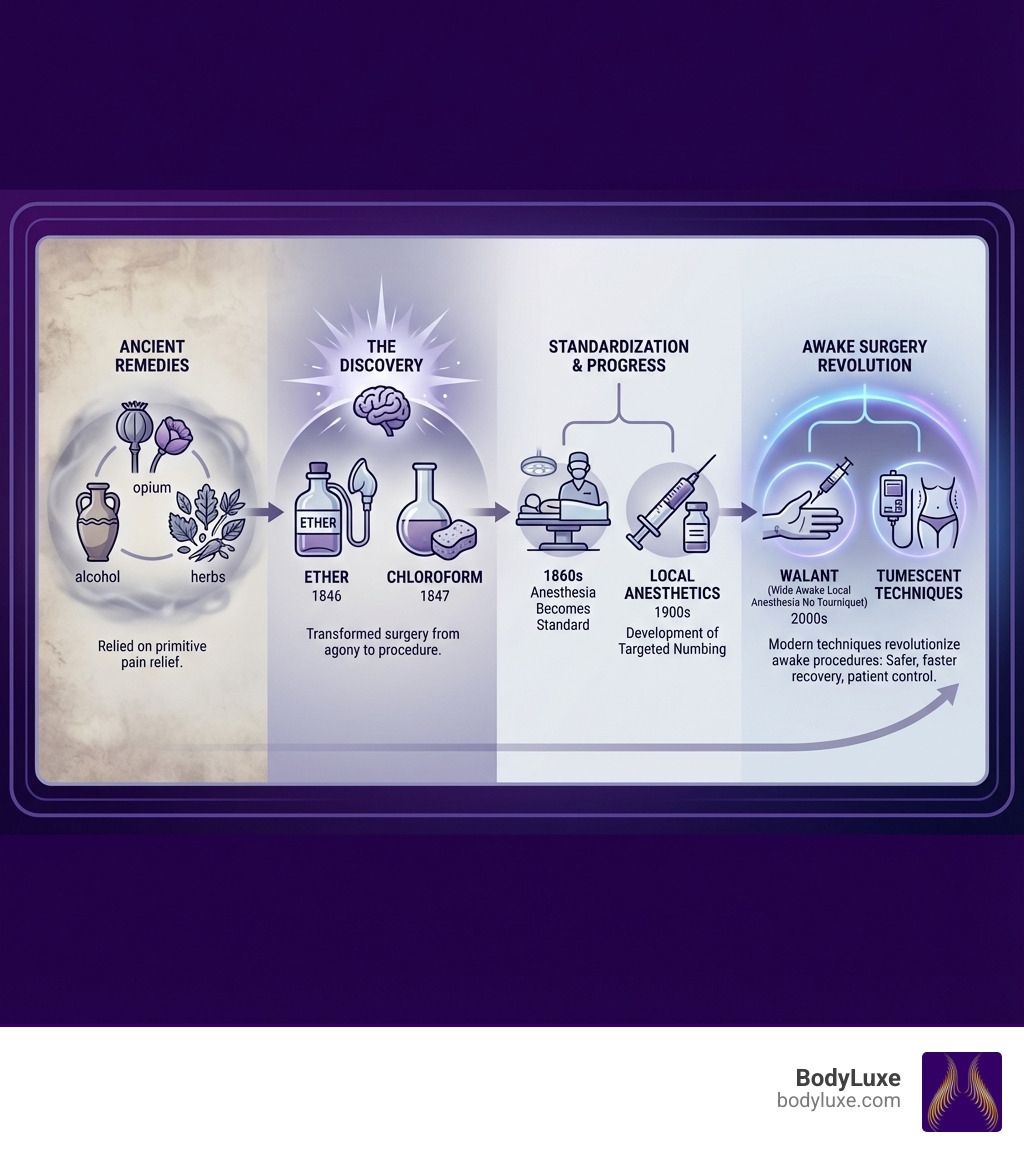
Surgery without anesthesia was the only option for thousands of years, and it was as brutal as you can imagine. Patients endured unimaginable pain while surgeons worked at breakneck speed to minimize suffering. The findy of anesthesia in the 1840s changed everything—but today, we’re seeing a surprising return to awake procedures, this time by choice and with powerful local numbing agents.
Quick Answer: What You Need to Know About Surgery Without Anesthesia
- Historical context: Before 1846, all surgery was performed without anesthesia, relying only on speed, restraint, and primitive pain relief like opium or alcohol
- The revolution: Ether and chloroform transformed surgery from a last-resort horror into a controlled medical procedure
- Modern awake surgery: Today’s “surgery without anesthesia” means without general anesthesia—patients receive powerful local numbing (like tumescent anesthesia) and stay awake by choice
- Why it’s coming back: Awake procedures eliminate risks of general anesthesia, speed recovery, lower costs, and give patients more control
- Common procedures: Hand surgery, liposuction, fat transfer, trigger finger release, carpal tunnel surgery, and cosmetic procedures like BBL
Before the mid-1800s, surgery was a last resort. Patients were held down, screaming, while surgeons raced against time. The fastest surgeons were considered the best—Robert Liston could amputate a leg in 25 seconds. The chance of dying wasn’t just from the disease but from shock, blood loss, or infection afterward.
Then came ether in 1846, and surgery transformed overnight from a brutal ordeal into something patients could survive with dignity. Operations became longer, more complex, and safer.
But here’s the twist: today, many patients and surgeons are choosing to skip general anesthesia again—not because they have to, but because modern local anesthesia techniques are so effective that staying awake is often safer and leads to faster recovery.
As Daniel J Farrugia MD, PhD, FACS, a board-certified surgeon specializing in awake body contouring at BodyLuxe in Chicago, I’ve performed thousands of procedures using advanced local anesthesia techniques, proving that surgery without anesthesia—meaning without general anesthesia—can deliver excellent results with less risk and faster healing. This article explores how we got here and why the future of many procedures may be awake, not asleep.
The Age of Agony: A World Without Anesthesia
Before the mid-19th century, surgery was a terrifying prospect. With no way to numb the pain, patients faced the surgeon’s knife with only the hope that the procedure would end quickly. There was no gentle drift into unconsciousness—only searing pain and terror.
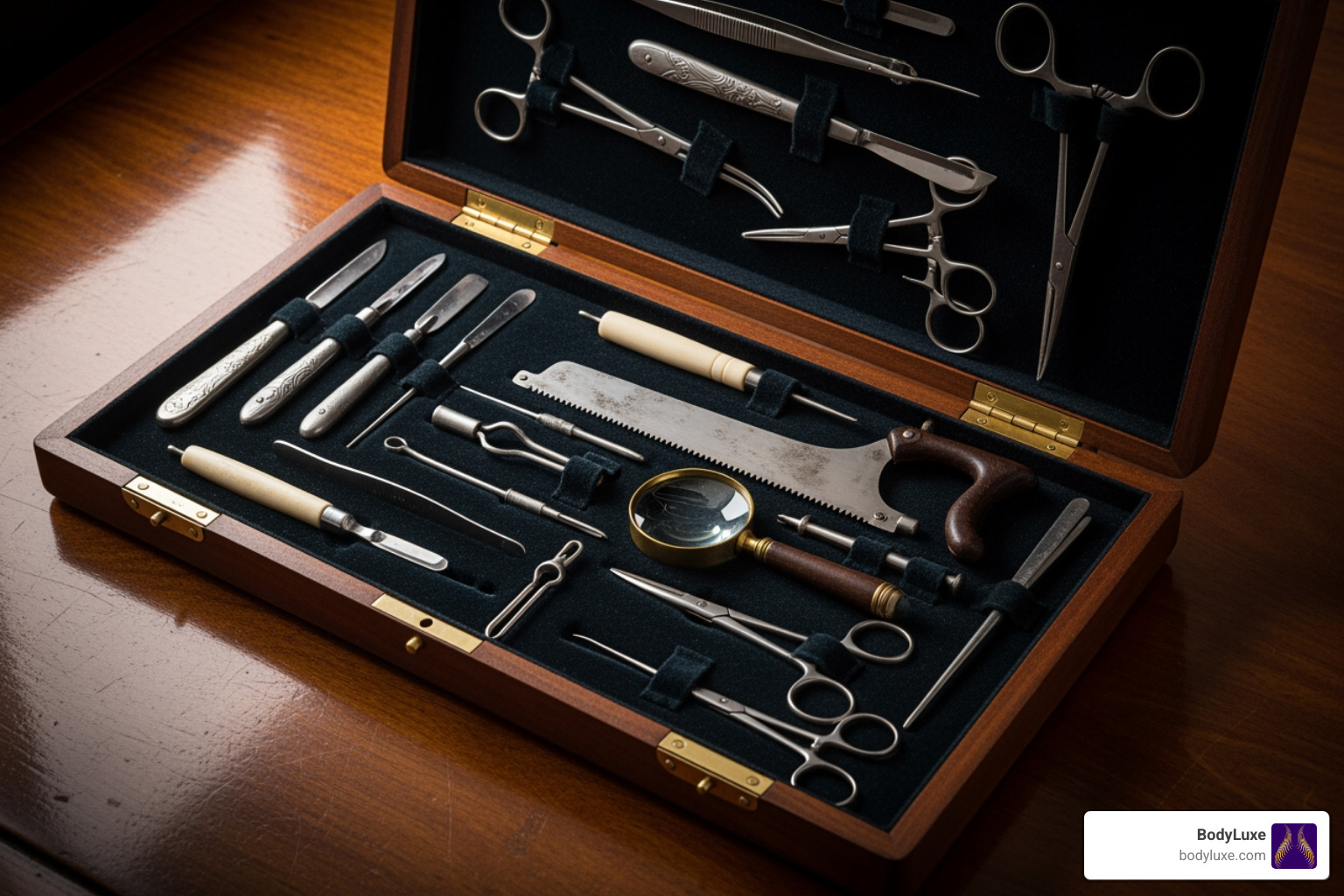
This era was defined by speed. Surgeons like Robert Liston were famous for their swiftness, able to amputate a leg in under 30 seconds. While speed reduced suffering, the risks of dying from shock, blood loss, or infection were incredibly high. Patients were forcibly held down, and their screams were a common feature of the operating theater. The emotional toll was immense for everyone involved. Medical historian Sally Frampton of the University of Oxford calls it “a really harrowing experience for both the patient and the surgeon.” The horror was so great that it drove a young surgical student named John Keats to abandon medicine for poetry.
The agonizing experience is vividly captured in the words of novelist Frances Burney, who underwent a mastectomy in 1811. She wrote, “When the dreadful steel was plunged into the breast—cutting through veins, arteries—flesh—nerves—I needed no injunctions not to restrain my cries. I began a scream that lasted unremittingly during the whole time of the incision.”
The Brutal Dilemma and Search for Relief
Surgeons faced a brutal dilemma: operate quickly to minimize pain or risk the patient dying from shock. This focus on speed made precision nearly impossible, and involuntary patient movement was a constant danger. Surgery was limited to external conditions like amputations or removing surface tumors; internal operations were unthinkable.
For millennia, humanity sought ways to dull this pain. Ancient civilizations used opium, alcohol, and herbal cocktails like Mafeisan in China. The Persian physician Ibn Sina described a “soporific sponge” soaked in mandrake and opium. In the 1840s, even mesmerism (hypnosis) was attempted. However, these methods were unreliable, dangerous, and often ineffective. The search for a true anesthetic continued, driven by the agonizing reality of surgery.
The “Yankee Dodge”: How Anesthesia Changed Everything
The mid-19th century marked a pivotal moment that changed surgery from a spectacle of agony into a controlled medical procedure with the findy of effective chemical anesthetics.
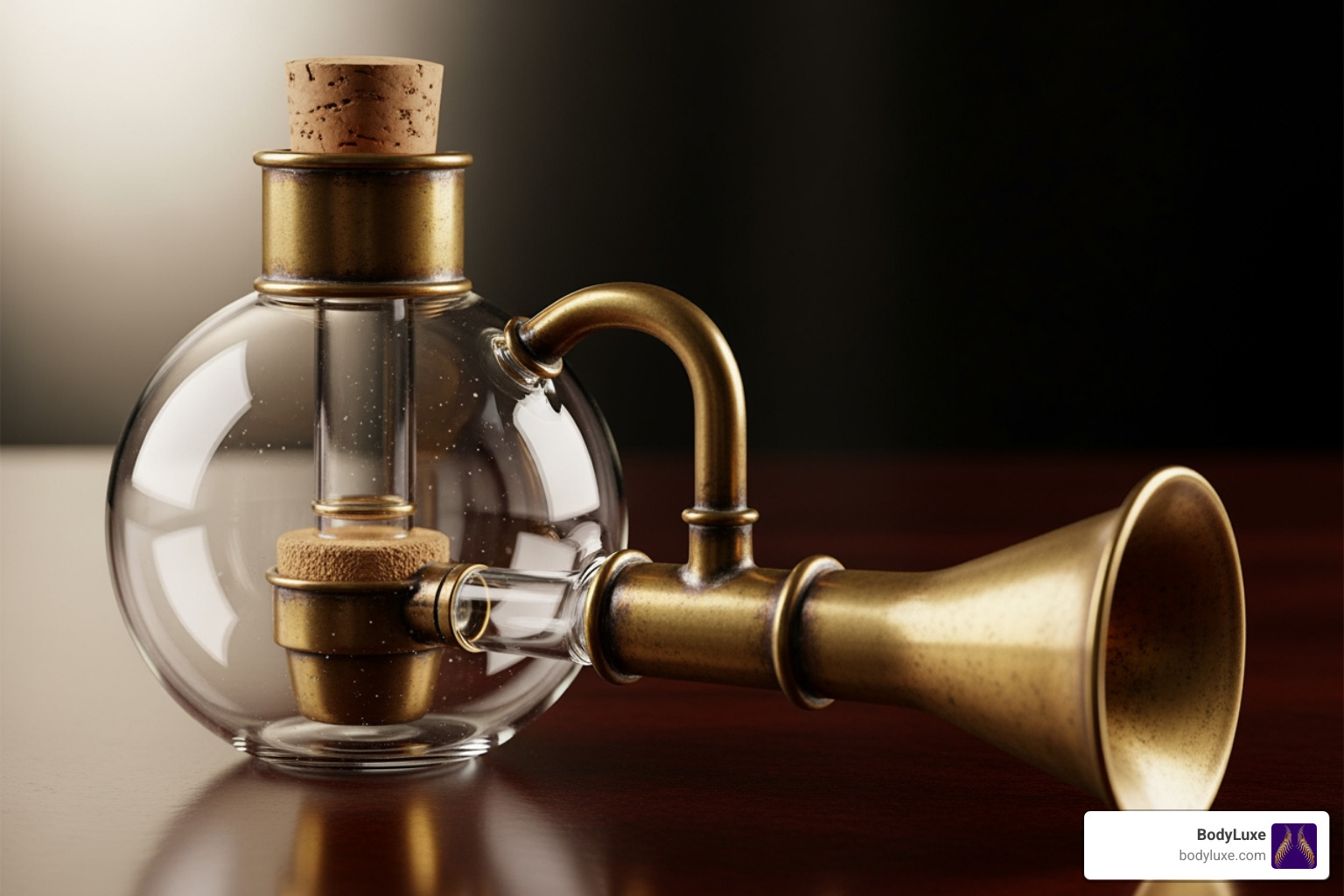
After a failed public demonstration of nitrous oxide in 1845, dentist William Morton successfully used ether to anesthetize a patient for a tooth extraction in Boston in 1846. The impact was immediate. Famed surgeon Robert Liston declared, “This Yankee dodge, gentlemen, beats mesmerism hollow.” The era of agonizing screams was ending.
Ether, however, was unpleasant and highly explosive. This led Scottish professor James Simpson to find chloroform, which gained royal approval after Queen Victoria used it during childbirth in 1853. Still, both drugs were risky. The correct dosage was unknown, leading to tragic deaths. Physician John Snow transformed anesthesia into a science by developing methods to administer chloroform safely, laying the foundation for modern anesthesiology. You can learn more about this journey from the History of anaesthesia from the Royal College of Anaesthetists.
A New Era of Surgery
By 1860, anesthesia was common. Patients no longer feared the operating room, and surgeons could take their time. Operations became longer, more complex, and more precise. Combined with the development of antiseptic techniques, anesthesia ushered in the birth of modern surgery, dramatically reducing mortality from shock and infection.
However, this new era had its own dangers. Ether’s explosiveness and chloroform’s risk of overdose were significant challenges. These early risks drove further research, leading to the safer anesthetics we use today. Even now, general anesthesia is not entirely risk-free, with potential side effects like post-operative drowsiness or, rarely, waking during surgery.
The Modern Revolution: The Return to Surgery Without Anesthesia
Today, we’re in another surgical revolution: a return to surgery without anesthesia, but with a crucial difference. This isn’t a step back into the past, but a leap forward in patient-centered care. By using sophisticated local anesthetic techniques like Wide-Awake Local Anesthesia No Tourniquet (WALANT) and tumescent local anesthesia, we can offer safer, more comfortable, and more efficient procedures.
At BodyLuxe in Chicago, we champion these advanced methods for awake liposuction and fat transfer. Our philosophy is to avoid the risks and recovery burdens of general anesthesia whenever possible, focusing on innovation in cosmetic surgery.
What is Wide-Awake Local Anesthesia (WALANT)?
WALANT is a game-changer that allows us to perform procedures with only local anesthetic, keeping the patient fully awake and comfortable.
The technique uses a precise mixture of lidocaine (a numbing agent), epinephrine (to reduce bleeding and prolong numbing), bicarbonate (for comfort during injection), and saline. This solution is injected into the surgical site, making the tissue numb and firm (tumescent). The epinephrine constricts blood vessels, so a tourniquet is usually not needed. After waiting about 30 minutes for the solution to take full effect, the procedure can begin pain-free. The scientific evidence supporting WALANT’s safety and efficacy is robust and growing.
This technique is highly effective for procedures like Lipo 360 Chicago, where precise body contouring is performed while the patient is awake.
The Benefits of Staying Awake
Choosing surgery without general anesthesia offers numerous benefits that improve safety, speed up recovery, and reduce costs.
- Improved Safety: Eliminates the risks of general anesthesia (no breathing tube, less stress on the heart and lungs). It’s a much safer option, especially for patients with certain health conditions.
- Faster Recovery: No post-anesthesia grogginess or nausea. Patients feel better immediately and return to normal activities sooner.
- Lower Cost: Awake procedures require fewer resources and staff, reducing overhead and making surgery more affordable.
- Fewer Pre-op Requirements: Often requires fewer pre-op tests, and there’s no need to fast before the procedure.
- Very Low Infection Rates: Wide-awake surgery has impressively low infection rates, reported between 0-0.3%.
- Reduced Opioid Needs: Less post-operative pain means less reliance on opioid medications.
- Patient Comfort and Control: You remain conscious and can communicate with your surgeon. Many patients find this empowering and listen to their own music during the procedure.
- Greater Access: Reduced costs and resources can make necessary surgical care available to more people.
For many, awake local anesthesia is the best choice. You can learn more about being Awake and Comfortable: Why Local Anesthesia Could Be the Best Choice.
What Procedures Can Be Done “Awake”?
The range of awake procedures is constantly expanding beyond its origins in hand surgery. At BodyLuxe, we specialize in awake cosmetic procedures that offer exceptional results with improved safety:
- Orthopedic: Carpal/cubital tunnel release, trigger finger release, mass removal, and some tendon or fracture surgeries.
- Cosmetic:
- Liposuction: Our FormSculpt® Lipo procedures are ideal for precise, awake body contouring on areas like the abdomen, flanks, or thighs.
- Fat Transfer: Procedures like the Brazilian Butt Lift (BBL) can be performed safely with local anesthesia, minimizing risks. This allows for a safer BBL Without the Risks.
- Other Procedures: Minor breast lifts, some eyelid surgeries, and smaller facelifts can also be done awake.
Performed by an experienced, board-certified surgeon, these procedures highlight the benefits of modern local anesthesia.
The Patient Experience: Awake and In Control
A compelling aspect of modern surgery without general anesthesia is the patient experience. Instead of being unconscious, patients are awake, aware, and feel empowered. This shift from passive recipient to engaged participant changes the dynamic of surgery.
At BodyLuxe in Chicago, we prioritize your comfort and communication. Our patient-centered approach reduces anxiety and ensures you feel informed and supported, creating a calmer experience. For a deeper dive, you can Compare the different types of anesthesia.
Preparing for Surgery Without Anesthesia
Preparation is simpler and less restrictive than for surgery under general anesthesia.
- Consultation: We conduct a thorough consultation to discuss the procedure and answer all your questions.
- No Fasting: You can typically eat a normal breakfast before your procedure.
- Optional Anti-Anxiety Medication: We can provide a mild sedative to help you relax if you feel nervous.
- What to Bring: We encourage you to bring headphones with your favorite music or podcasts to create a calming atmosphere.
- Mental Preparation: Knowing what to expect and trusting your surgical team is key to a positive experience.
What to Expect During and After Your Procedure
The experience during an awake procedure is often surprisingly comfortable.
- Numbing Process: The local anesthetic is injected with fine needles to minimize discomfort. You’ll feel a brief sting, then pressure as the area becomes numb.
- Sensation, Not Pain: Once numb, you will feel pressure and movement, but no sharp pain.
- Communication: You can talk to your surgeon throughout the procedure to ensure you remain comfortable.
- Immediate Mobility: With no grogginess from general anesthesia, you can often sit up and walk around shortly after the procedure.
- Pain Management: The local anesthetic provides hours of pain relief. We provide clear instructions for managing any later discomfort.
- Quicker Recovery: You can return to your normal routine much sooner than with general anesthesia.
Exploring Alternatives: Hypnosedation
Specialized techniques can further improve the awake experience. One method is hypnosedation, which combines guided relaxation (hypnosis) with local anesthetic. This approach helps patients remain in a deeply relaxed state, managing anxiety as well as pain. Research at institutions like MD Anderson shows this can lead to quick recoveries with minimal pain or nausea, underscoring the integration of psychological support with modern anesthetics.
Frequently Asked Questions about Surgery Without Anesthesia
Choosing to undergo surgery without general anesthesia is a significant decision. Here, we address common questions our patients in Chicago have about awake procedures.
Is surgery without general anesthesia completely painless?
This is a key question we hear often. While “pain-free” is the goal, it’s important to understand the difference between pain and pressure. With modern local anesthetics, especially the tumescent technique we use at BodyLuxe, the surgical site will be completely numb. This means you will not feel sharp, cutting pain. However, you will likely feel sensations of pressure, tugging, or movement. We often describe it as feeling like someone is pushing on the area, but without any associated discomfort.
The effectiveness of our local anesthetics is remarkable, often providing 6-8 hours of numbing, sometimes up to 24 hours. During the procedure, we maintain open communication. If you feel any discomfort, we can administer additional local anesthetic to ensure you remain completely comfortable. Our priority is your comfort and safety throughout the entire process.
What are the main risks of wide-awake local anesthesia?
While wide-awake local anesthesia significantly reduces the risks associated with general anesthesia, it’s not entirely without considerations. We thoroughly discuss these during your consultation at BodyLuxe to ensure you’re fully informed.
- Potential for Anxiety: Some patients may feel nervous about being awake during surgery. While we offer mild anti-anxiety medication and encourage distractions like music, managing this nervousness is crucial. This is why a supportive and communicative surgical team is so important.
- Lidocaine Toxicity (Rare): Lidocaine, like any medication, has a maximum safe dosage. Our experienced team carefully calculates the precise amount of lidocaine based on your weight to prevent lidocaine toxicity, which is exceedingly rare when administered correctly.
- Epinephrine Considerations: Epinephrine, while vital for hemostasis and prolonging the anesthetic effect, can cause jitters or a racing heart in some sensitive individuals. Theoretically, there’s a historical concern about tissue necrosis with epinephrine, but modern studies have shown no evidence to support this theory with the controlled doses used in WALANT, especially when used in combination with lidocaine. It may be more likely in individuals with severe connective tissue disease, but we screen for these conditions.
- Extremely Low Infection Rates: One of the remarkable benefits of wide-awake local surgery is its very low infection rates, typically reported between 0-0.3%. This is significantly lower than many other surgical approaches.
Overall, when performed by a skilled and experienced surgeon using proper protocols, the risks associated with wide-awake local anesthesia are minimal, and often significantly lower than those of general anesthesia.
Am I a good candidate for an awake procedure?
Determining if you’re a good candidate for an awake procedure is a crucial step in your journey with BodyLuxe in Chicago. During your comprehensive consultation, we’ll review several factors to ensure the best and safest outcome for you.
Generally, good candidates are:
- Mentally Prepared: Patients who are comfortable with the idea of being awake and can manage mild anxiety are ideal. Bringing headphones with music or podcasts can greatly assist in this.
- Healthy Individuals: While awake procedures are safer for those with certain health conditions, overall good health is always beneficial.
- Undergoing Appropriate Procedures: As discussed, many hand surgeries, and cosmetic procedures like liposuction, fat transfer, and minor breast lifts, are excellent candidates for awake surgery.
- Realistic Expectations: Understanding that you will feel pressure and movement, but not pain, is important.
However, certain factors might make you unsuitable for an awake procedure, including:
- Lack of Consent/Uncooperativeness: If a patient is unwilling or unable to consent, or cannot cooperate during the procedure.
- Extreme Anxiety/Needle Phobia: While mild anxiety can be managed, severe phobias may make the experience too stressful.
- Specific Medical Conditions: Certain rare conditions, such as severe peripheral vascular disease or known allergies to local anesthetics, can be contraindications.
- Inability to Lie Still: For procedures requiring immobility for an extended period, if a patient cannot stay still, it might be challenging.
The best way to determine your candidacy is through a personalized consultation with a board-certified surgeon like Dr. Farrugia at BodyLuxe. We will review your medical history, discuss your temperament, and ensure that an awake procedure is the safest and most effective option for your desired results.
Conclusion
The journey of surgery without anesthesia is a fascinating one, stretching from the brutal necessities of ancient times to the sophisticated, patient-centric choices we offer today. We’ve moved from an era where surgery was a last-resort horror, accompanied by unimaginable pain and high mortality, to a time where the absence of general anesthesia is a deliberate, beneficial choice.
At BodyLuxe in Chicago, we are proud to be at the forefront of this modern revolution. By embracing advanced local anesthesia techniques like WALANT and tumescent local anesthesia, we provide our patients with a safer, more comfortable, and more efficient surgical experience. This approach eliminates the risks of general anesthesia, accelerates recovery, reduces costs, and empowers our patients to be active participants in their journey to natural, proportionate, and beautiful results. We believe this focus on safety, faster recovery, and outstanding outcomes is the primary driver of the awake surgery revolution, redefining what’s possible in body contouring.
Ready to explore a safer, more comfortable path to your aesthetic goals? Learn if you are a good candidate for an awake procedure at BodyLuxe in Chicago.